Beneficial pond bacteria is one of the most effective natural solutions for improving water quality, reducing muck buildup, and maintaining a balanced pond ecosystem. These naturally occurring microbes break down organic material like leaves, fish waste, and sludge that accumulate over time.
Beneficial bacteria is one of the most effective ways to prevent algae and reduce muck before it becomes a problem.
If your pond has muck buildup, odors, or ongoing algae issues, beneficial bacteria help restore balance and improve water quality. They are also an excellent preventative solution for new ponds, helping reduce nutrient buildup before algae and sludge develop.
A beneficial bacteria treatment accelerates the natural decomposition process, helping your pond stay cleaner, clearer, and healthier.
Reduce Muck & Improve Water Quality Naturally
Adding pond beneficial bacteria is a simple, natural way to improve pond conditions without harsh chemicals.
Benefits of beneficial bacteria include:
Breaking down organic sludge and muck
Reducing odors caused by decomposition
Supporting clearer water
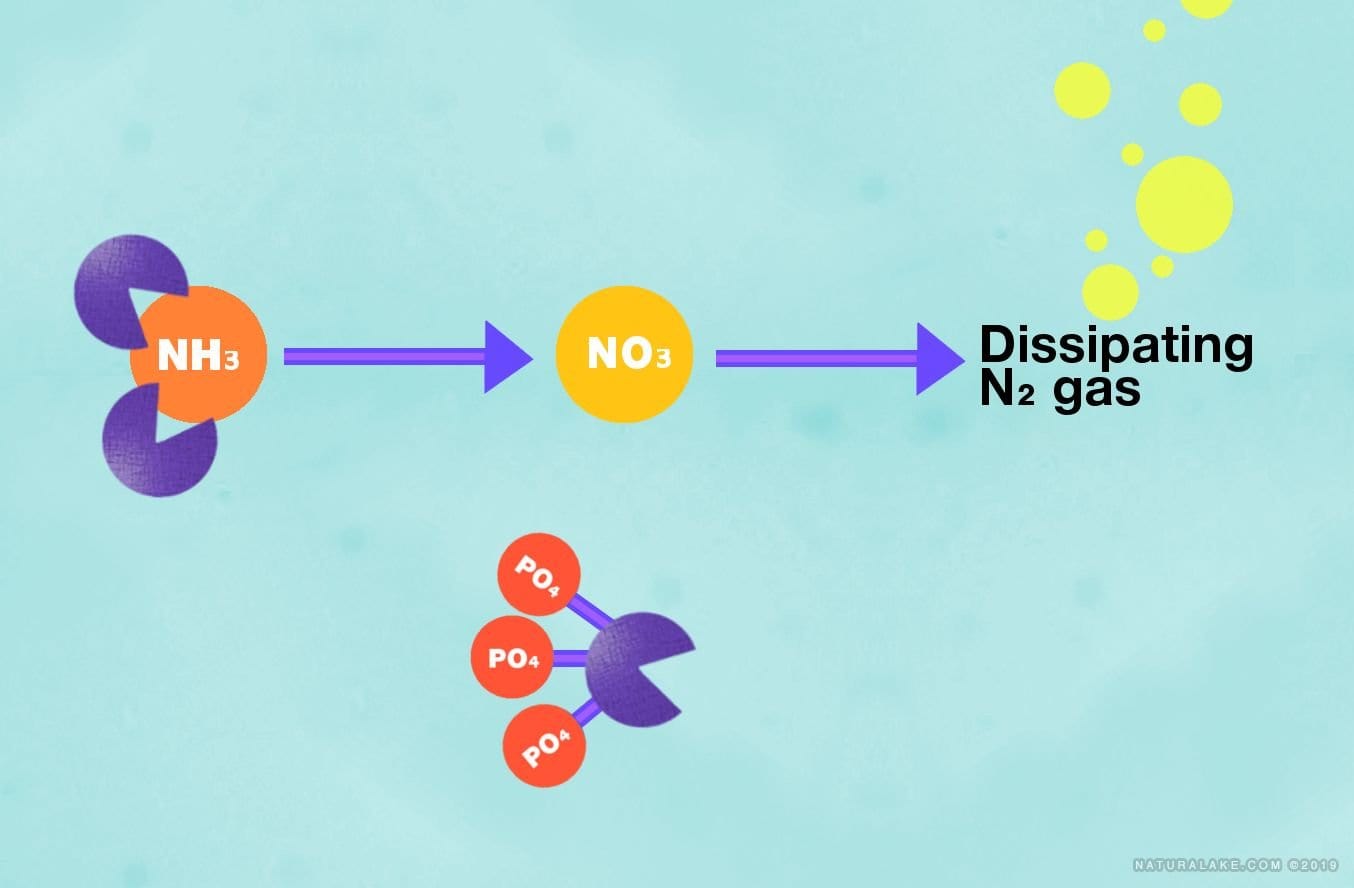
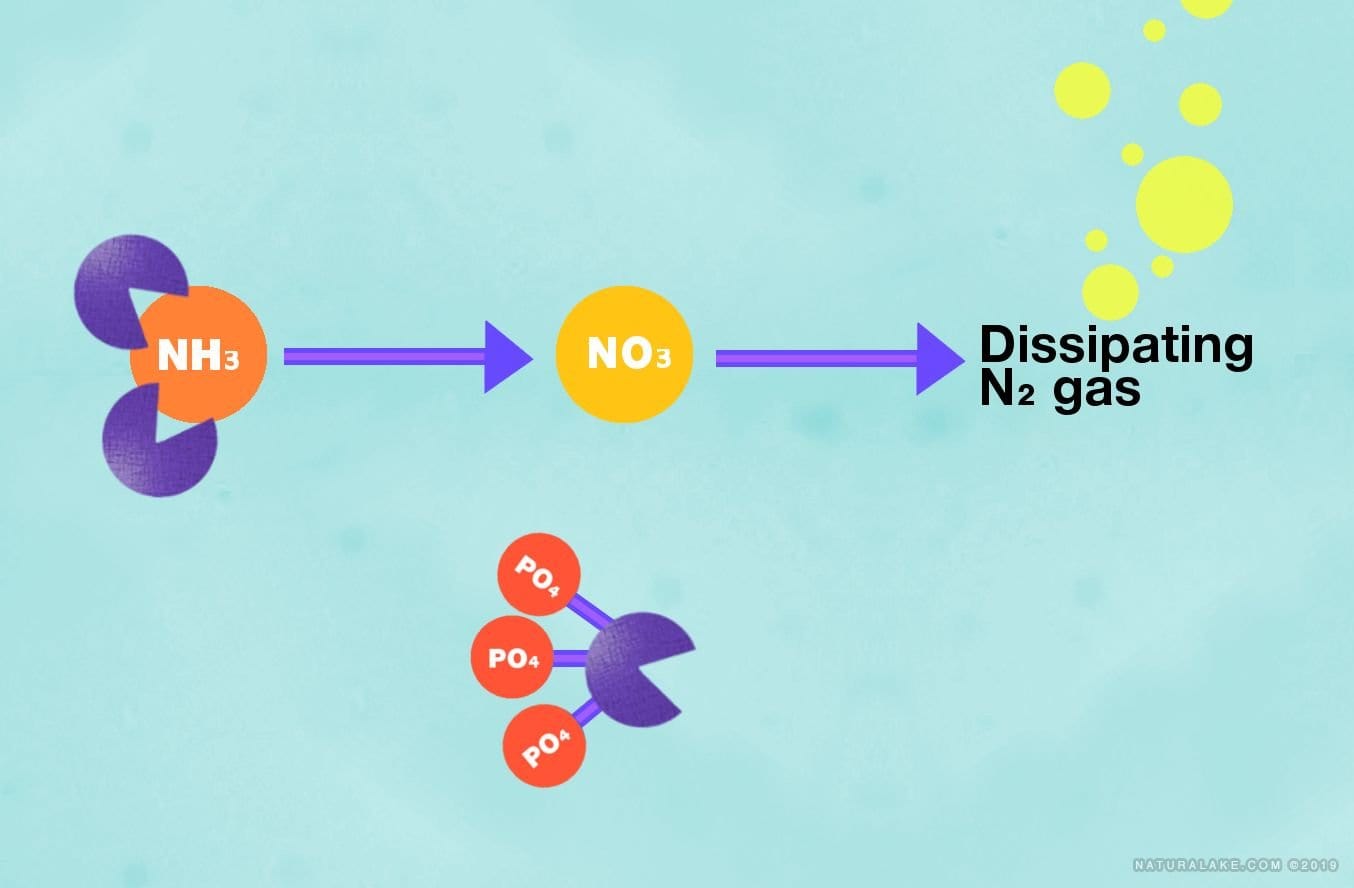
Helping limit nutrients that feed algae
Improving overall pond ecosystem balance
These treatments work with your pond’s natural biology to deliver long-term results.
Start Clean: Prevent Algae Before It Begins
Beneficial bacteria are not just for problem ponds — they are one of the best ways to prevent algae and organic buildup in new or clean ponds.
By introducing bacteria early, you help:
Break down organic material before it accumulates
Reduce nutrients that fuel algae growth
Establish a balanced pond ecosystem from the start
Maintain clearer water with fewer long-term issues
Many pond owners applybeneficial bacteria at the start of the season or immediately after building a pond to prevent future problems and maintain consistent water quality.
How Beneficial Bacteria Works
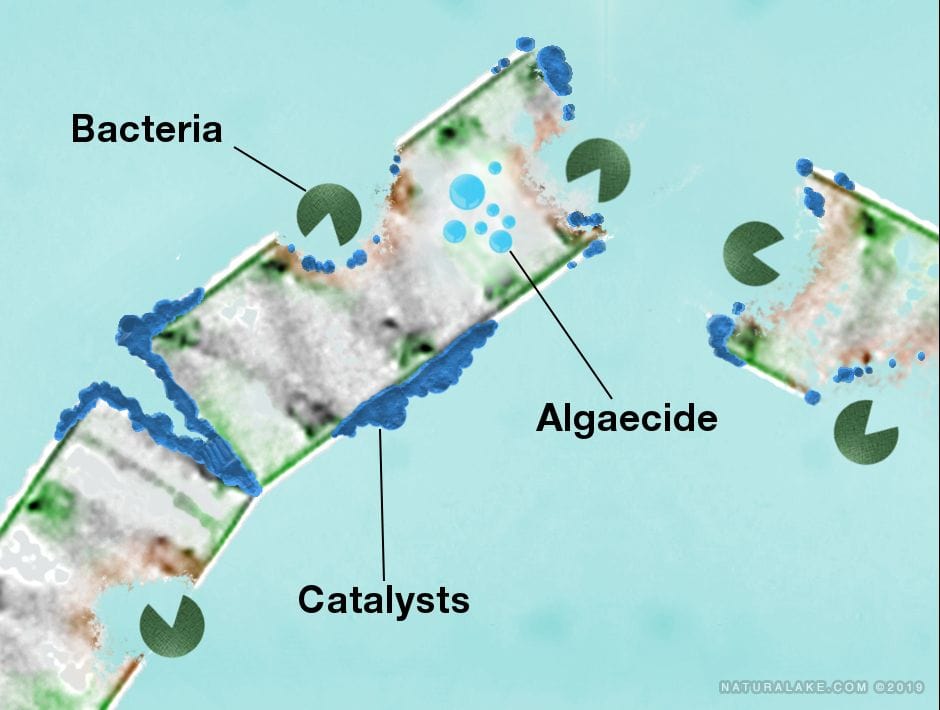
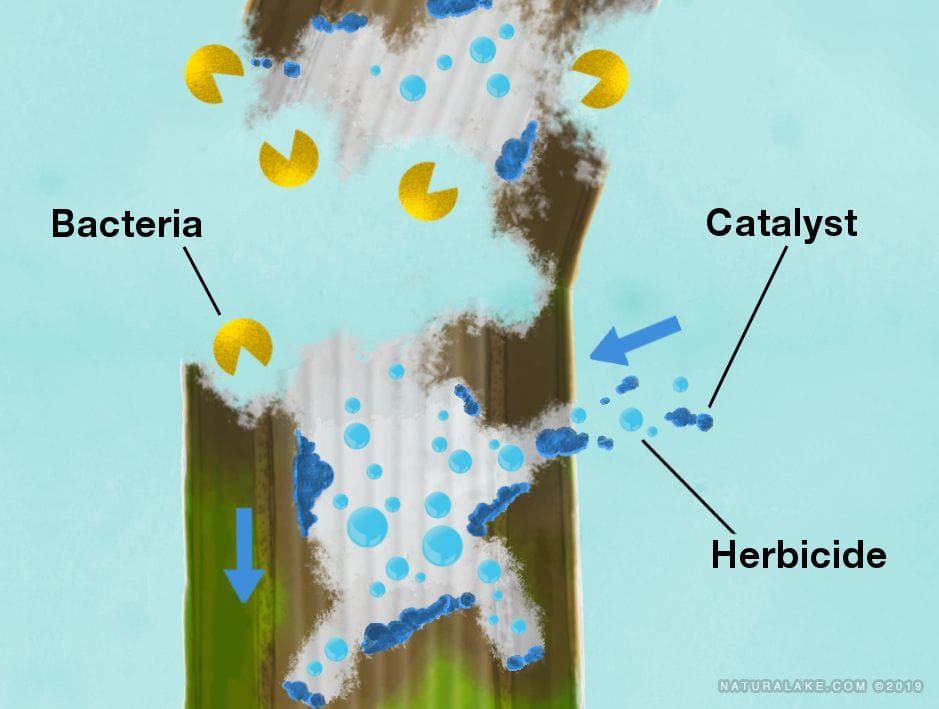
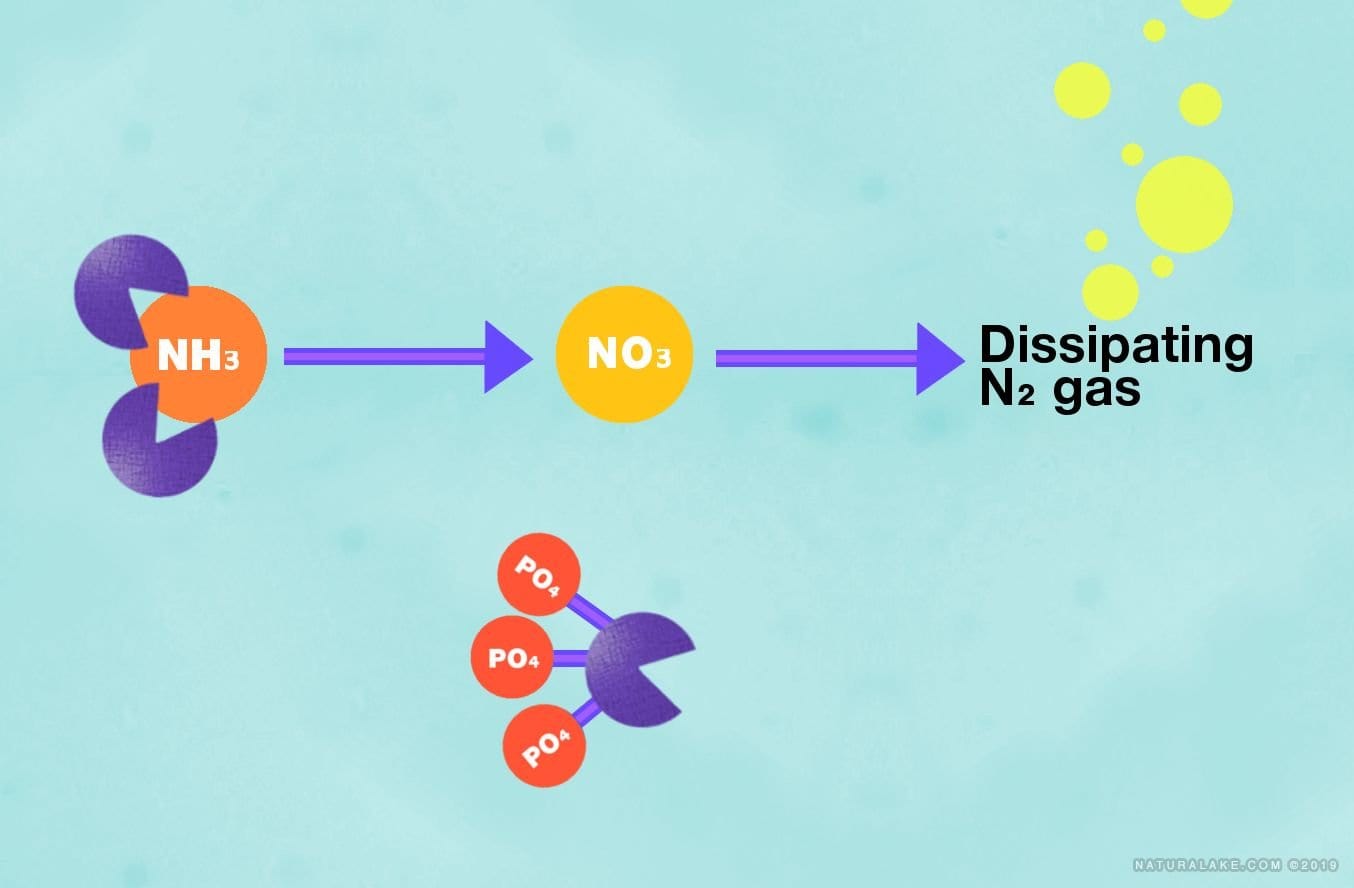
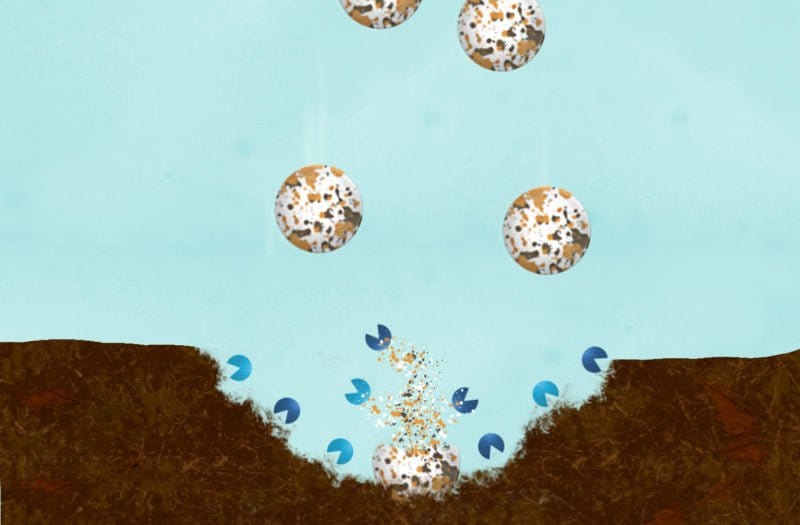
Beneficial bacteria break down organic material such as leaves, fish waste, and decaying vegetation that accumulate at the bottom of your pond. This process helps reduce sludge buildup and improve water quality over time.
There are different types of bacteria used in pond treatments:
Aerobic Bacteria Use oxygen to rapidly break down organic material and perform best when paired with aeration systems.
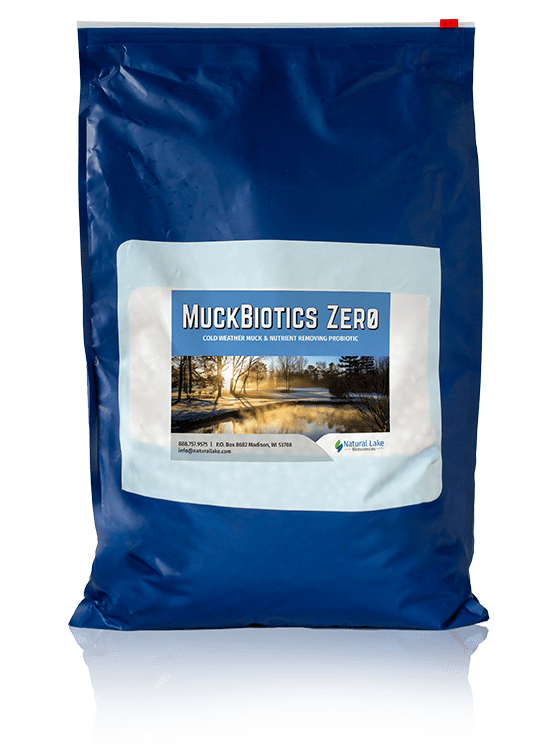
Cold Water Bacteria Designed to work in lower temperatures, helping extend treatment effectiveness earlier in spring and later in fall.
Choose the Right Bacteria for Your Water Temperature
Water temperature plays a major role in how effectively beneficial pond bacteria perform. Using the right bacteria blend for your pond conditions helps deliver faster, more consistent results throughout the season.
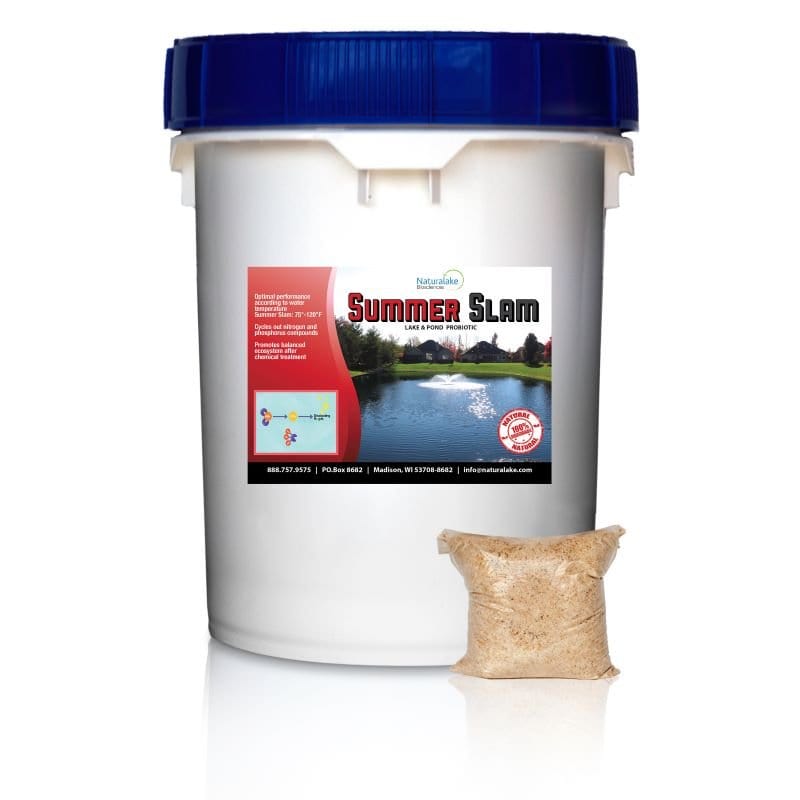
Summer Slam Bacteria (Water temperature range 75°F – 120°F) Designed for peak summer conditions when water temperatures are highest and biological activity is strongest.
Ideal for hot weather and heavy organic load
Accelerates breakdown of muck and sludge
Helps manage nutrients during peak algae season
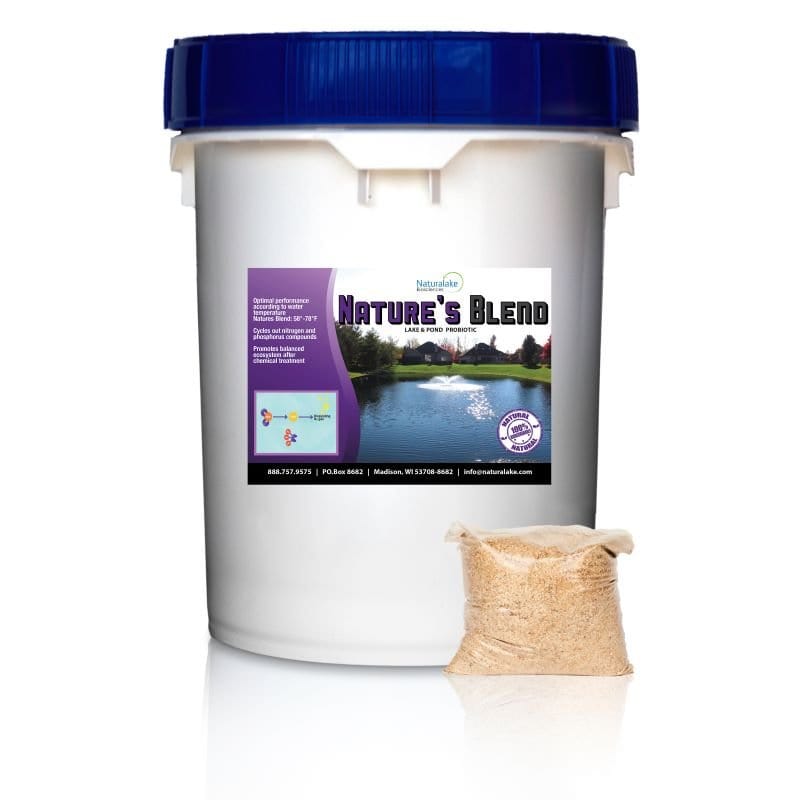
Nature’s Blend Bacteria (Water temperature range 58°F – 78°F) A versatile, all-purpose bacteria blend for moderate water temperatures.
Ideal for spring, early summer, and fall transitions
Maintains consistent water quality
Supports ongoing muck and nutrient reduction
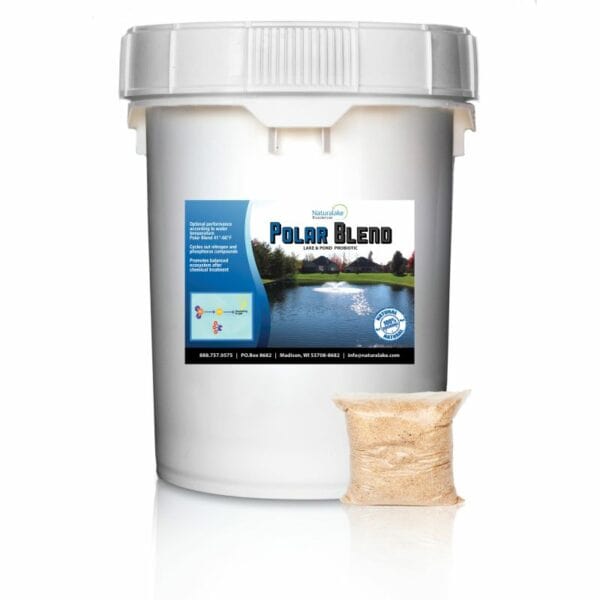
Polar Blend Bacteria (Water temperature range 41°F – 60°F) Formulated for cold water conditions when standard bacteria become less active.
Works in early spring and late fall
Extends your treatment season
Helps prevent early-season algae and buildup
Keep Your Pond Balanced Year-Round
For best results, many pond owners rotate bacteria blends based on water temperature to maintain consistent performance throughout the year.
Using the right bacteria at the right time helps prevent algae, reduce muck, and keep your pond healthy from early spring through peak summer.
A Natural, Science-Based Solution for Pond Health
Beneficial bacteria already exist in every pond, helping break down organic material and maintain a healthy ecosystem. Pond bacteria treatments concentrate these natural microbes, allowing you to speed up the breakdown of muck, sludge, and nutrient buildup.
This accelerated process helps improve water quality faster while supporting long-term pond balance.
Fast Results vs Long-Term Results
Beneficial bacteria work gradually, improving pond conditions over time rather than delivering instant results.
Starting early with bacteria, aeration, and proper nutrient management is one of the most effective ways to prevent algae growth long-term.
Easy Application
Applying pond bacteria treatments is simple:
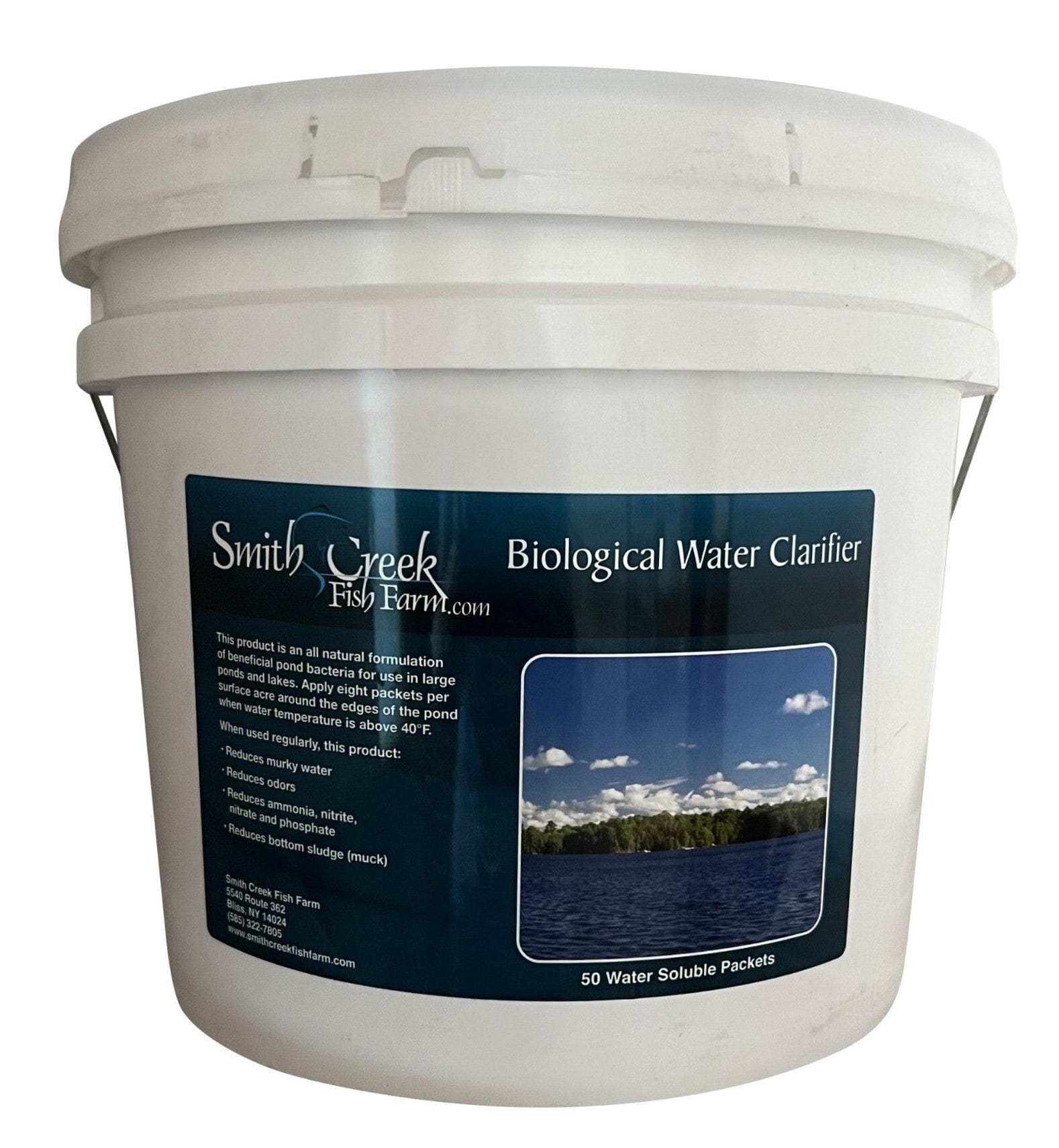
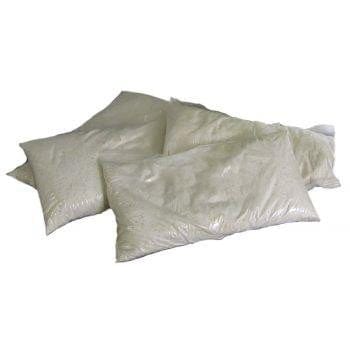
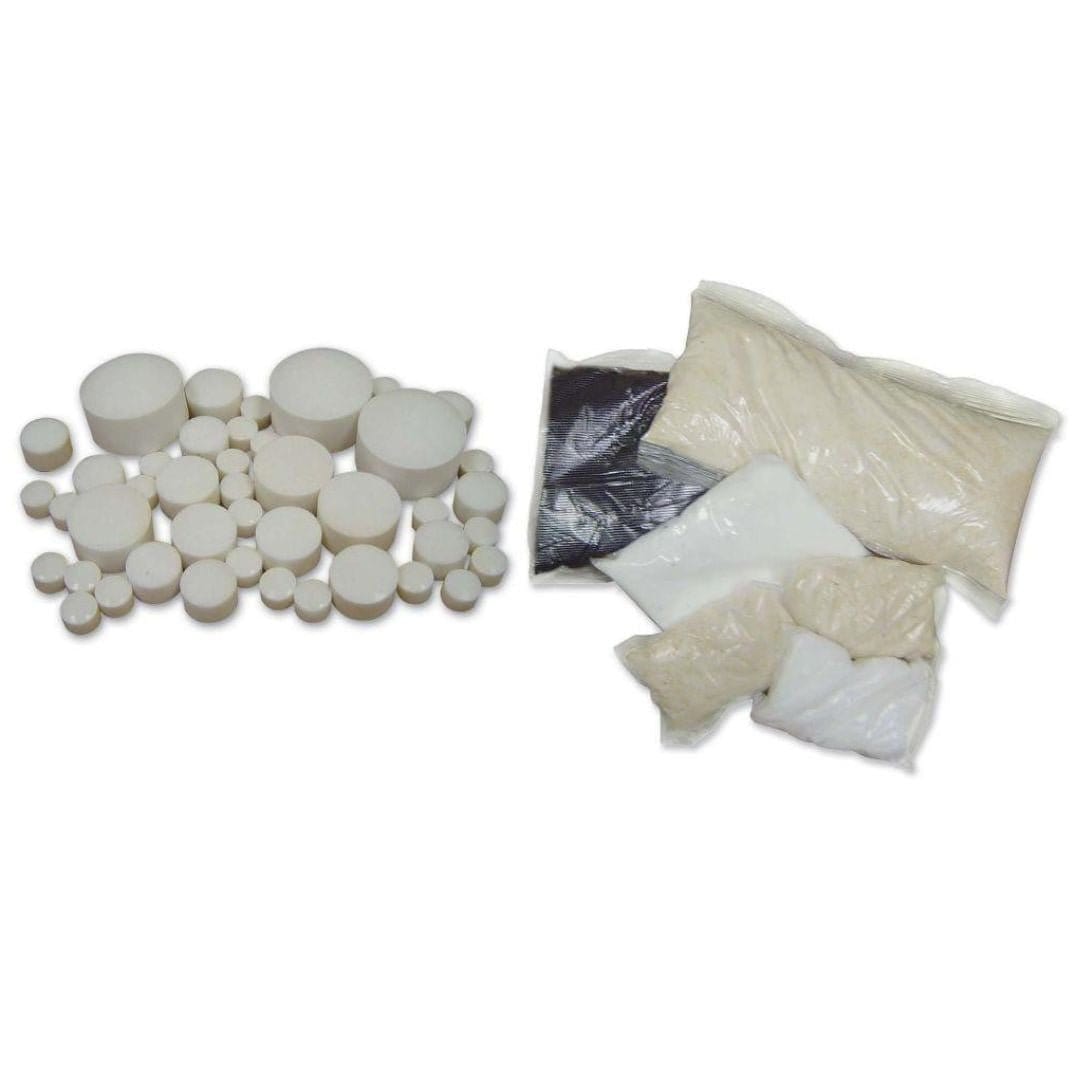
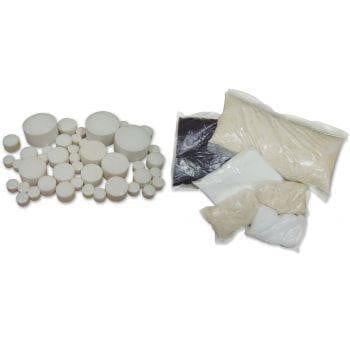
Broadcast dry bacteria or toss packs into the pond
Apply near problem areas or across the entire pond
Use aeration to help distribute bacteria evenly
Routine applications provide the most consistent results.
Frequently Asked Questions About Beneficial Pond Bacteria
What does beneficial bacteria do in a pond? Beneficial bacteria break down organic material such as leaves, fish waste, and sludge, helping improve water quality and reduce muck buildup.
How long does it take for pond bacteria to work? Bacteria treatments begin working immediately but typically show noticeable results over several weeks with consistent use.
Does beneficial bacteria remove pond muck? Yes. Beneficial bacteria help reduce muck by breaking down organic material over time. For best results, they are often combined with aeration.
Will beneficial bacteria help reduce algae? Yes. By reducing nutrients in the water, beneficial bacteria help limit the conditions that allow algae to grow.
Can beneficial bacteria prevent algae? Yes. Beneficial bacteria help reduce nutrients that algae depend on. When used consistently, especially in new or clean ponds, they help prevent algae growth before it becomes a problem.