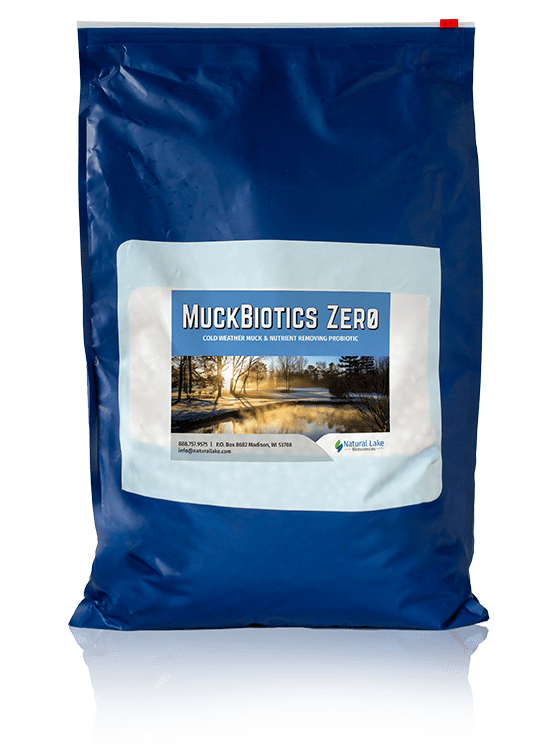
Pond muck digestors are one of the most effective ways to reduce sludge, organic buildup, and soft pond bottoms without dredging or heavy equipment. These treatments use beneficial bacteria and enzymes to break down leaves, fish waste, and decaying vegetation that accumulate over time.
If your pond has muck buildup, odors, or a soft, muddy bottom, using a muck remover for ponds helps restore cleaner conditions and improve water quality.
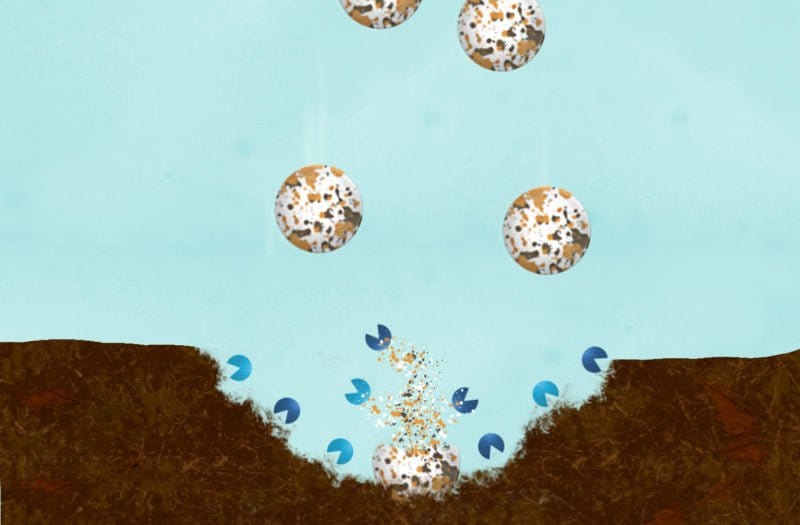
Amuck digester works by breaking down organic material into gas, reducing sludge and helping restore depth and clarity over time.
Remove Muck Without Dredging
Dredging a pond can be expensive and disruptive.Muck digesters provide a natural alternative by accelerating the breakdown of organic material already in your pond.
Benefits of pond muck digestors include:
Reducing sludge and soft pond bottoms
Eliminating odors from decaying material
Improving water clarity
Reducing nutrients that feed algae
Restoring usable shoreline and swimming areas
Many pond owners use muck digesters as a long-term solution to gradually improve pond conditions.
How Muck Digestors Work
Muck forms from the buildup of:
Leaves
Fish waste
Dead algae and vegetation
Organic sediment
Muck digesters contain concentrated beneficial bacteria that break down this material into smaller components and gas, allowing it to naturally dissipate from the pond.
With consistent use, this process can significantly reduce muck accumulation over time.
Where to Use Muck Digesters
Muck digesters are especially effective in:
Shorelines and swimming areas
Around docks and beaches
Shallow water zones
Areas with heavy organic buildup
Many products are designed forspot treatment, allowing you to target problem areas first.
Fast vs Long-Term Results
Muck digesters are not an instant fix — they work gradually by accelerating natural processes.
Short-term: reduced odor and improved conditions
Long-term: reduced muck depth and cleaner pond bottom
Some treatments can reduce several inches of muck per season with consistent application.
Combine Muck Digesters with Aeration for Best Results
Muck digesters perform best when combined with proper oxygen levels.
This combination helps reduce nutrients, improve oxygen levels, and maintain long-term pond health.
Easy Application
Applying pond muck digesters is simple:
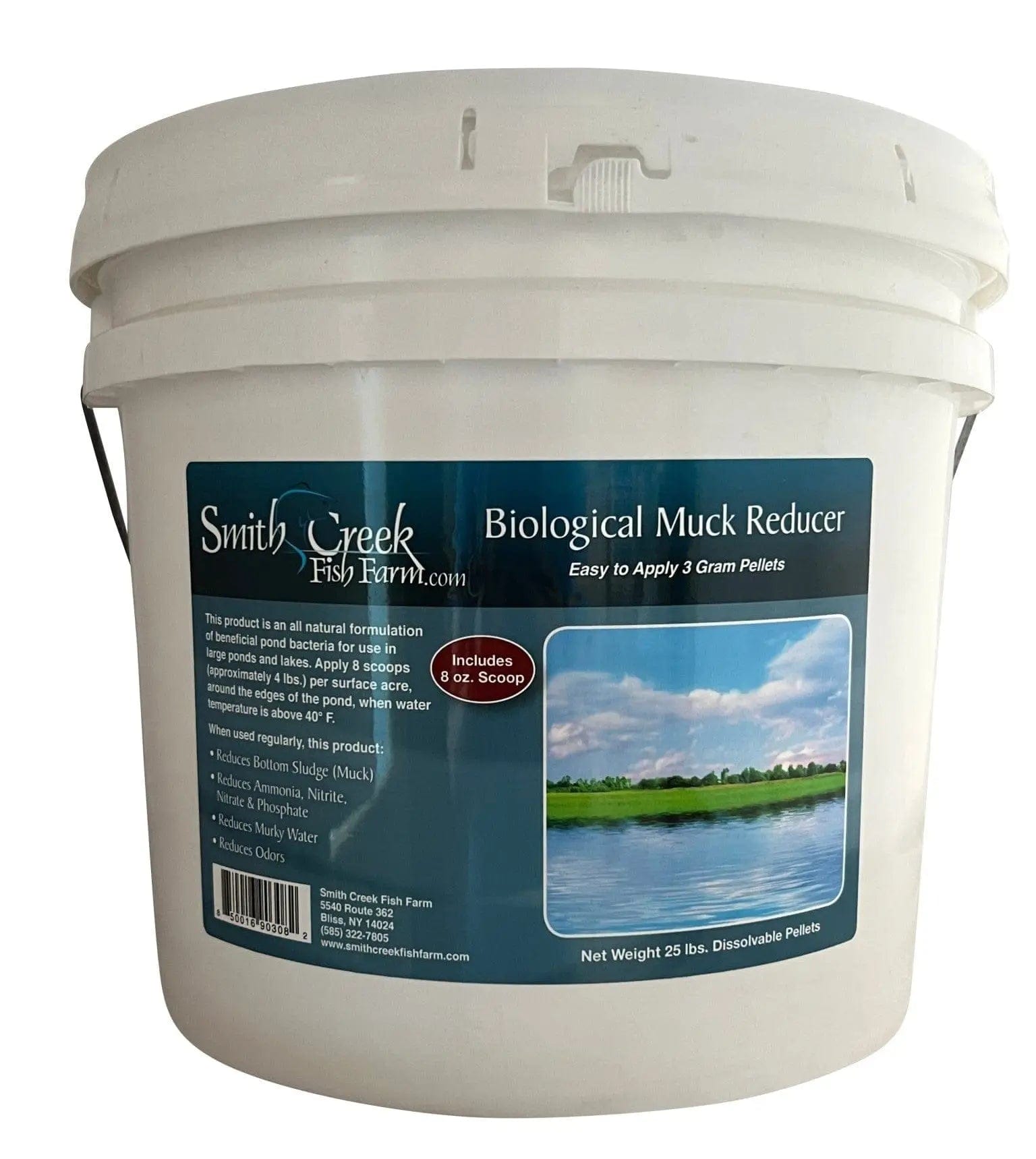
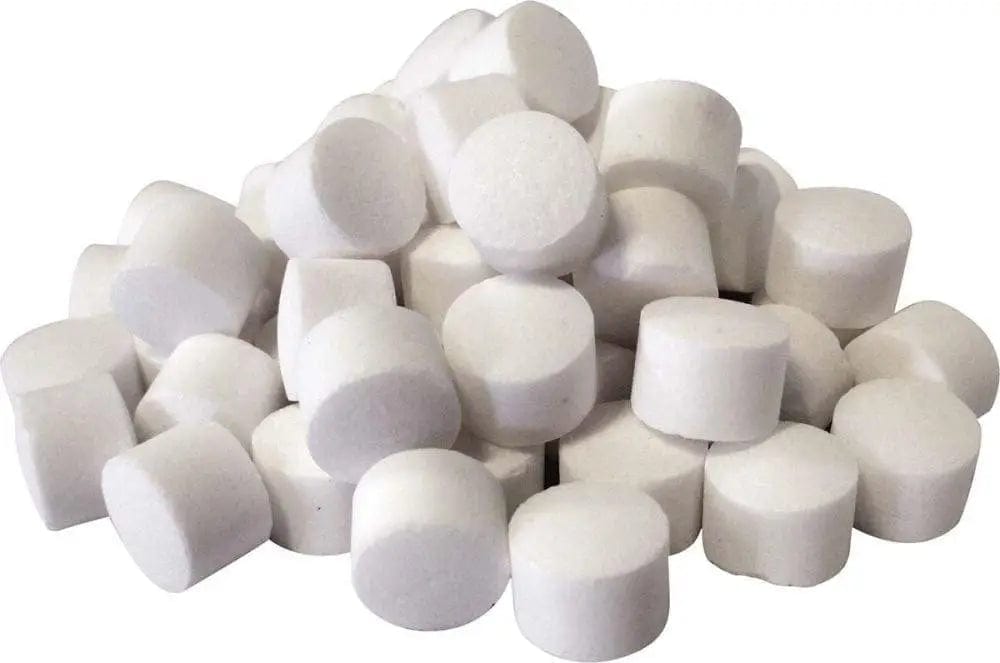
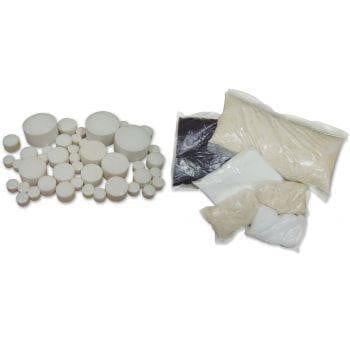
Broadcast pellets or treatments over problem areas
Apply regularly every 2–4 weeks during warmer months
Focus on shallow or high-muck areas
Most treatments begin working immediately and continue improving conditions over time.
Frequently Asked Questions About Muck Digesters
What causes pond muck? Pond muck forms from decaying organic material such as leaves, algae, fish waste, and vegetation that settle on the bottom of the pond.
Do muck digesters really work? Yes. Muck digesters use beneficial bacteria to break down organic material, reducing sludge and improving pond conditions over time.
How long does it take to remove pond muck? Results vary, but most pond owners begin seeing improvement within a few weeks, with significant reduction over a season of consistent use.
Can muck digesters help reduce algae? Yes. By reducing organic material and nutrients, muck digesters help limit the conditions that allow algae to grow.