




Pond Water Clarifier Probiotic – MetaFloc Biological Clarifier & Phosphorus Binder
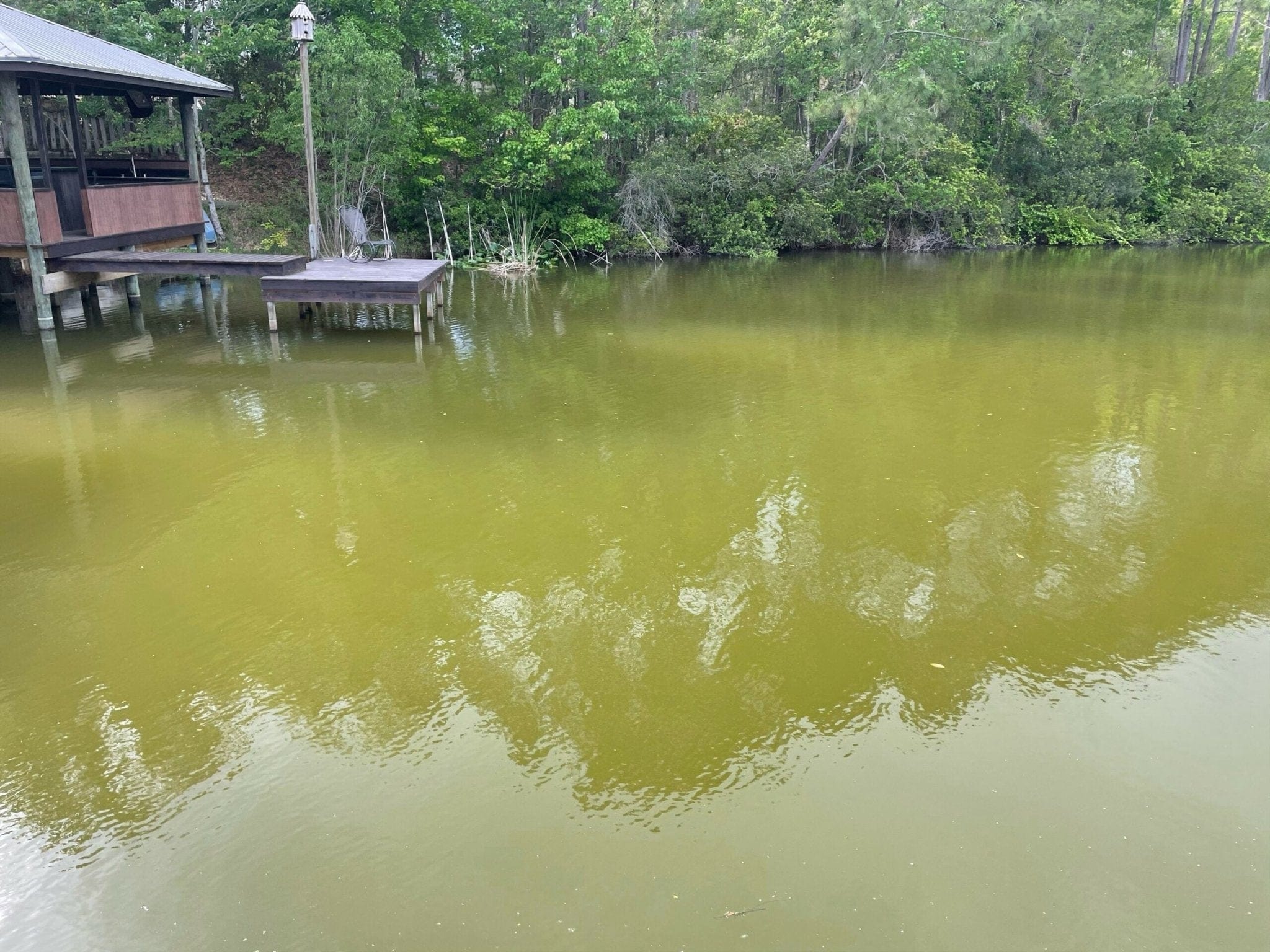
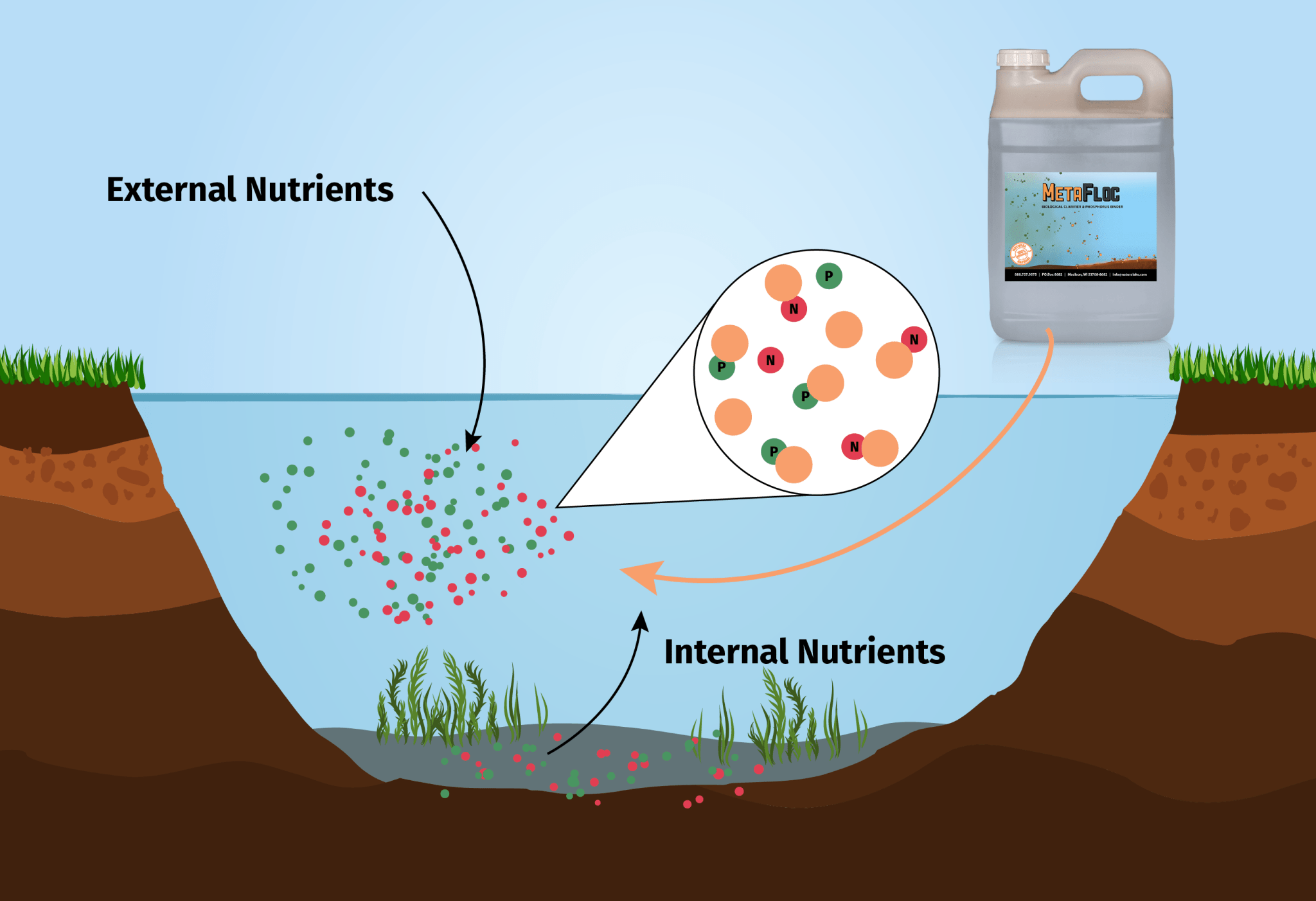
If your pond or lake suffers from chronic turbidity, murky green water, or recurring algae pressure that chemical treatments alone can't seem to resolve long-term, the underlying problem is almost certainly phosphorus. Phosphorus is the primary driver of eutrophication — the process by which a lake or pond gradually degrades as excess nutrients accumulate in the water column and sediment year after year. Every algae bloom that dies and settles to the bottom releases its stored phosphorus back into the water, fueling the next bloom in an internal recycling cycle that keeps your water quality problems coming back no matter how many times you treat the surface.
MetaFloc is a pond water clarifier probiotic that breaks this cycle at its source. Unlike aluminum sulfate (alum) — which requires careful application, pH buffering, and still only addresses water column phosphorus temporarily — MetaFloc combines biological flocculation, phosphorus binding, and probiotic technology in a single liquid product that works on both the water column and the sediment simultaneously. It clears turbid water within hours of application and continues binding phosphorus from bottom sediments after the initial treatment, addressing the internal recycling that drives long-term water quality decline. MetaFloc does not affect pH or alkalinity — making it significantly safer for fish and aquatic ecosystems than alum at equivalent treatment doses.
Smith Creek professionals use MetaFloc as part of their lake restoration and management programs throughout New York, often in combination with MuckBiotics for comprehensive sediment and water column treatment.
Smith Creek Field Notes
MetaFloc is the product we reach for when a pond or lake has progressed past what a standard bacteria program can address on its own — when phosphorus levels are high, water clarity is poor, and the internal nutrient recycling from bottom sediments is actively working against everything else in the treatment program. We've seen it deliver dramatic visual results within 24–72 hours on lakes that have struggled with turbidity and algae pressure for years. The study data from the product sheet tells the story: 95% reduction in total phosphorus, 72% reduction in total nitrogen, and a 77% improvement in Secchi depth within 3 days of sediment dosing. Those are real numbers from a real case study, and they match what we see in the field. For ponds where alum has been used in the past and pH disruption has been a concern, MetaFloc is a genuinely better tool — same flocculation result, no pH crash, and the probiotic component keeps working long after the initial treatment.
Is This Right for Your Pond?
✅ MetaFloc pond water clarifier probiotic is the right fit if:
- Your pond or lake has chronic turbidity, murky water, or poor Secchi depth readings
- Phosphorus levels are elevated and driving recurring algae pressure
- You've used alum in the past and want a safer alternative with less pH disruption
- Your lake is showing signs of eutrophication — declining water quality, frequent blooms, reduced fish habitat
- You want a product that addresses both water column turbidity and internal sediment phosphorus recycling
- You manage a pond, lake, retention basin, wastewater lagoon, fishery, or reclaimed water system
⚠️ Keep in mind:
- MetaFloc does NOT kill aquatic plants or algae — it removes the phosphorus and turbidity that sustain them
- For best long-term results, pair with MuckBiotics for ongoing sediment muck reduction and Nature's Blend for water column nutrient cycling
- Always follow label instructions for dilution rate and application method
- Available in 2.5 gallon, 5 gallon, 55 gallon drum, and 275 gallon tote — call for freight pricing on drums and totes
How MetaFloc Works
MetaFloc pond water clarifier probiotic works through three simultaneous mechanisms that address water quality from multiple angles at once.
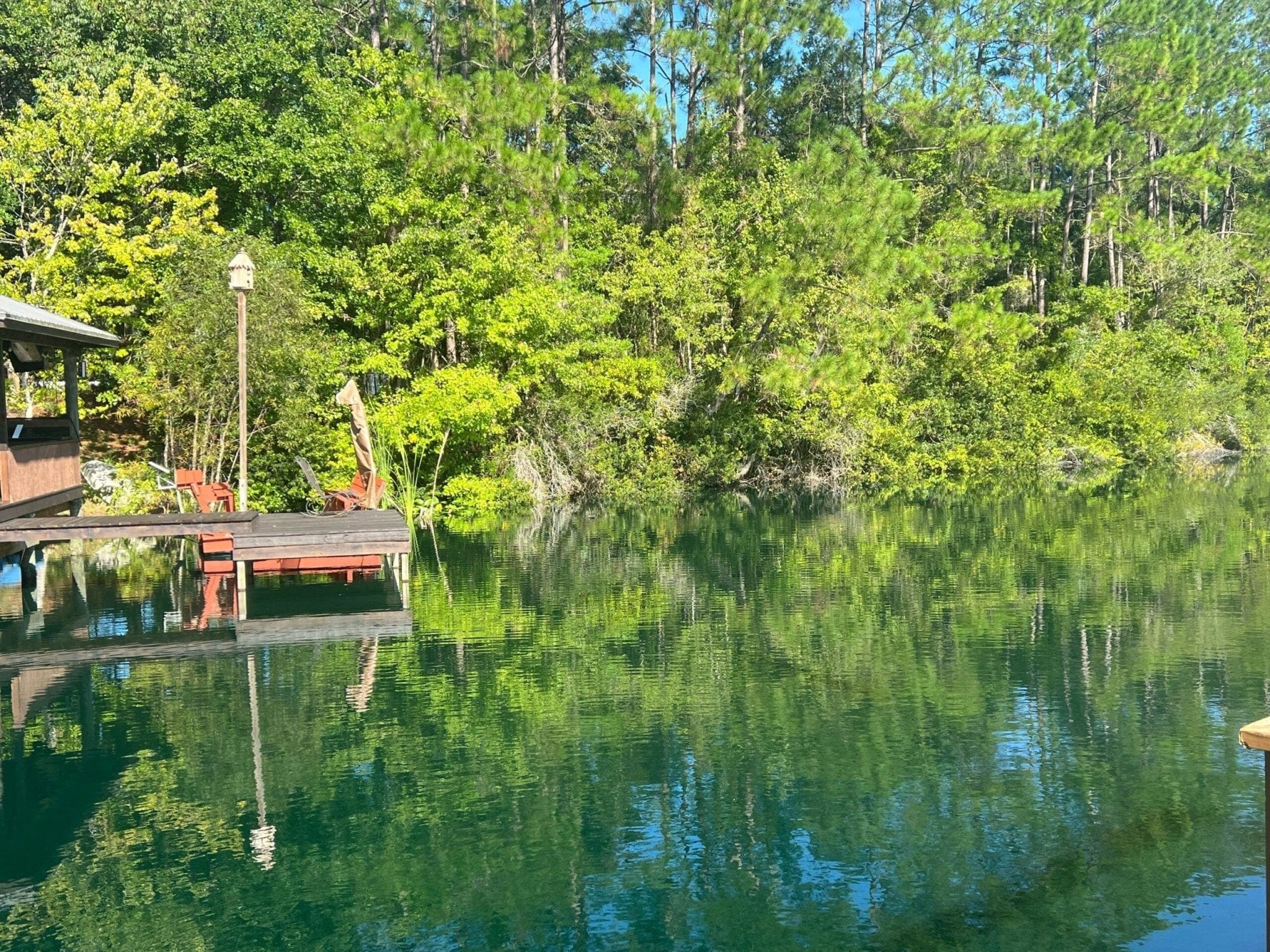
Flocculation: MetaFloc causes suspended particles — clay, algae cells, fine organic debris — to aggregate into larger flocs that settle rapidly to the pond bottom. This is the same mechanism as alum but without the pH disruption. Water clears from the top down as particles aggregate and fall, with visible results typically within hours of application.
Phosphorus binding: MetaFloc's proprietary phosphorus-binding materials capture dissolved phosphorus from the water column and bind it at the sediment surface — preventing the internal recycling that continually rereleases phosphorus from bottom sediments back into the water. This is the key mechanism that provides lasting results beyond the initial clarification event.
Probiotic biological activity: The probiotic component stimulates naturally occurring bacteria to continue breaking down organic matter and processing nutrients in the water column and sediment after treatment. This biological activity extends the water quality benefit of MetaFloc beyond what flocculation and phosphorus binding alone can deliver.
The result is a pond water clarifier probiotic that delivers immediate visual improvement and long-term water quality restoration in a single product — something no other clarifier on the market achieves.
Study Summary
Sediment dosing of MetaFloc in combination with MuckBiotics provided significant and rapid long-term water quality improvement in an independent field study:
- 95% reduction in total phosphorus (TP) within 3 days of sediment dosing
- 72% reduction in total nitrogen (TN) within 3 days
- 77% improvement in Secchi depth — water clarity — within 3 days
- 99% reduction in fecal coliform within 3 days
- A shift from high levels of nuisance algae species to a low abundance of beneficial green algae and bacterial floc was observed post-treatment
- Phosphorus bloom thresholds of >0.1 mg/L TP and >1.5 mg/L nitrogen were maintained below triggering levels following treatment
What MetaFloc Addresses
| Problem | How MetaFloc Helps |
|---|---|
| Turbidity & Murky Water | Flocculants aggregate suspended particles for rapid settling — results within hours |
| Elevated Phosphorus (TP) | Proprietary phosphorus binders capture and immobilize dissolved phosphorus in water and sediment |
| Internal Phosphorus Recycling | Prevents sediment phosphorus from being rereleased into the water column — addresses the root cause of recurring blooms |
| Eutrophication | Directly addresses the nutrient accumulation process that drives lake aging and declining water quality |
| Total Suspended Solids (TSS) | Reduces TSS by binding and settling fine suspended particles |
| Secchi Depth / Water Clarity | Measurably improves light penetration and Secchi depth readings |
| Fecal Coliform | Field study showed 99% reduction in fecal coliform within 3 days of sediment dosing |
| Algae Nutrient Pressure | Removes the phosphorus and nitrogen that fuel algae — reducing bloom frequency and severity over time |
Application Method
MetaFloc is applied as a dilute mixture evenly over the surface of the targeted area via surface spray, sub-surface injection systems, or poured directly from the container. Apply across the entire water body surface for full treatment. For targeted sediment dosing, apply the diluted product over specific areas of concern such as coves, inlets, or high-accumulation zones. Always follow label instructions for dilution rate and application method. MetaFloc does not kill aquatic plants or algae.
Dosage Chart – Water Column Nutrients & Clarity
| Eutrophication Level | Phosphorus Level | Secchi Depth | Dosage Rate |
|---|---|---|---|
| Mildly Eutrophic | 30–50 µg/L | 4–3 ft. | 2–6 gal per 10 acre-ft. |
| Eutrophic | 50–100 µg/L | 3–2 ft. | 6–8 gal per 10 acre-ft. |
| Hypereutrophic | >100 µg/L | <2 ft. | >12 gal per 10 acre-ft. |
Dosage Chart – Sediment Nutrient Removal
| Eutrophication Level | Sediment Phosphorus | Dosage Rate |
|---|---|---|
| Mildly Eutrophic | 250 mg/kg sediment P | 50 gallons per acre |
| Eutrophic | 550 mg/kg sediment P | 100 gallons per acre |
| Hypereutrophic | 750 mg/kg sediment P | 140 gallons per acre |
Download the MetaFloc Product Sheet for complete instructions. For volume pricing on 55 gallon drums and 275 gallon totes call (833) 326-5253.
See It in Action
MetaFloc vs. Aluminum Sulfate (Alum)
| Feature | Alum | MetaFloc |
|---|---|---|
| Water clarification speed | Hours to days | Within hours |
| Phosphorus binding | Water column only | Water column + sediment |
| pH impact | Significant drop — requires lime buffering | No impact on pH or alkalinity |
| Fish safety | Risk at higher doses | Safe at recommended rates |
| Biological activity post-treatment | None | Probiotic component continues working |
| Sediment phosphorus recycling | Not addressed | Directly addresses internal recycling |
| Long-term water quality benefit | Temporary | Ongoing biological and chemical activity |
For ponds where aluminum sulfate has been used previously and pH disruption has been a concern, MetaFloc is a direct upgrade — same flocculation result, no pH crash, and lasting biological benefit.
Frequently Asked Questions
How quickly does MetaFloc clear pond water?
MetaFloc pond water clarifier probiotic begins working on contact with water. Visible water clarity improvement — reduced turbidity, clearing from the top down — is typically observed within hours of application. For full water column clarification in moderately turbid water bodies, results are generally visible within 24–48 hours. Heavily turbid or hypereutrophic water bodies may require a second application after 3–5 days.
How is MetaFloc different from alum (aluminum sulfate)?
Both products cause suspended particles to flocculate and settle, and both bind phosphorus in the water column. The critical differences are that MetaFloc does not cause the significant pH drop that alum treatments often create — which means no lime buffering required and no risk of fish stress from pH crash. MetaFloc also binds phosphorus from bottom sediments, addressing the internal recycling cycle that alum does not reach. And the probiotic component in MetaFloc continues providing biological water quality benefit after the initial treatment, while alum has no biological activity post-treatment.
Does MetaFloc kill algae or aquatic plants?
No. MetaFloc does NOT kill aquatic plants or algae. It removes the phosphorus and turbidity that sustain algae growth — reducing the conditions that drive blooms over time rather than targeting existing algae directly. For active algae blooms that need immediate treatment, pair with appropriate aquatic treatments, then follow with MetaFloc to address the underlying phosphorus load and prevent rapid regrowth conditions from rebuilding.
Will MetaFloc change my pond's pH?
No — unlike alum, MetaFloc has no impact on water pH or alkalinity at recommended application rates. This is one of its primary advantages over traditional aluminum sulfate treatments, particularly in ponds with fish populations or ecosystems sensitive to pH fluctuations. Always monitor water chemistry after any treatment and follow label instructions for your specific water body conditions.
Can MetaFloc be used with MuckBiotics?
Yes — and this is actually the recommended combination for comprehensive lake restoration. The independent field study cited above used MetaFloc and MuckBiotics together for sediment dosing, producing the dramatic results documented in the study summary. MetaFloc addresses water column turbidity and phosphorus binding while MuckBiotics handles organic muck reduction at the sediment layer — together they address both the symptom and the underlying organic accumulation that drives internal nutrient recycling.
What size should I order?
MetaFloc is available in 2.5 gallon, 5 gallon, 55 gallon drum, and 275 gallon tote. Use the dosage charts above based on your water body's volume (in acre-feet) and current phosphorus and turbidity levels. For residential ponds and smaller water features, the 2.5 or 5 gallon sizes are appropriate starting points. For professional lake management, larger ponds, or lake restoration projects, call (833) 326-5253 for volume pricing and freight quotes on drums and totes.
Is MetaFloc safe for fish and aquatic life?
Yes. MetaFloc is safe for fish, aquatic invertebrates, birds, pets, and humans at recommended application rates. It carries no irrigation restrictions following application. Its pH-neutral formulation makes it significantly safer for fish than aluminum sulfate treatments at equivalent doses. MetaFloc is widely used in fisheries management and aquaculture applications where water safety is a primary concern.
Can MetaFloc be used in wastewater lagoons and reclaimed water systems?
Yes — MetaFloc is listed for use in wastewater lagoons and reclaimed water systems in addition to natural ponds and lakes. Its phosphorus binding and flocculation capabilities make it effective in high-nutrient artificial water systems as well as natural water bodies. Call (833) 326-5253 to discuss application rates and logistics for large-scale or commercial water treatment applications.
How does MetaFloc address internal phosphorus recycling from sediments?
Internal phosphorus recycling — sometimes called internal loading — occurs when phosphorus stored in bottom sediments is rereleased into the water column as organic matter decomposes. This is the mechanism that keeps algae pressure high even in ponds that have been chemically treated repeatedly. MetaFloc's phosphorus-binding materials are applied to and work within the sediment layer, permanently binding phosphorus at the sediment surface and preventing it from being rereleased. This is the key mechanism that differentiates MetaFloc from surface-only clarifiers and provides lasting water quality improvement beyond the initial treatment event.
Seasonal Guide
Spring
Spring is an important application window for pond water clarifier probiotic treatment. As water warms and biological activity resumes, phosphorus stored in bottom sediments begins to be released into the water column — contributing to the nutrient surge that drives the first algae pressure of the season. Applying MetaFloc in early spring intercepts that phosphorus pulse before it can accumulate to bloom-triggering levels. Pair with Nature's Blend as water temperatures rise into the 58°F+ range for comprehensive nutrient management.
Summer
Summer peak temperatures accelerate internal nutrient recycling from sediments — warm water holds less oxygen, anaerobic conditions develop near the pond bottom, and phosphorus release rates from sediment increase significantly. A MetaFloc application in early summer can intercept this seasonal phosphorus surge and reduce peak algae pressure through the hottest months. Pair with Summer Slam warm water pond bacteria for comprehensive warm-season water quality management.
Fall
Fall is an excellent time for a comprehensive MetaFloc treatment, particularly sediment dosing. As aquatic vegetation dies back and leaf litter enters the pond, organic loading on the bottom sediment peaks — adding to the phosphorus reservoir that will drive the following spring's first algae pressure. A fall MetaFloc application combined with MuckBiotics addresses that organic load before it settles and compacts over winter, setting up significantly better water quality conditions heading into the following season.
Winter
MetaFloc can be applied year-round as it is not temperature-dependent in the same way biological bacteria products are. However, for most pond owners the primary treatment windows are spring and fall when phosphorus dynamics are most active. Consult the dosage charts and call (833) 326-5253 for guidance on year-round treatment scheduling for your specific water body.
Related Products
Pair MetaFloc with MuckBiotics for comprehensive sediment muck reduction — the same combination used in the independent field study. Add Nature's Blend pond bacteria for ongoing water column nutrient management, or Summer Slam during peak summer conditions. Browse our full pond and lake water clarifier collection or compare with aluminum sulfate treatments. For professional lake restoration and pond management services in New York, visit our seasonal lake and pond management page or request a pond management quote.
Payment & Security
Your payment information is processed securely. We do not store credit card details nor have access to your credit card information.